Start College Early with STLCC Dual Enrollment
February 06, 2026
Posted by STLCC in Paying for College
What if you could start college before high school graduation?
High schoolers can earn college credit early at STLCC through college credit options for high school students. These programs can help you save money, build confidence and get a better idea of what college classes are like before you begin full time.
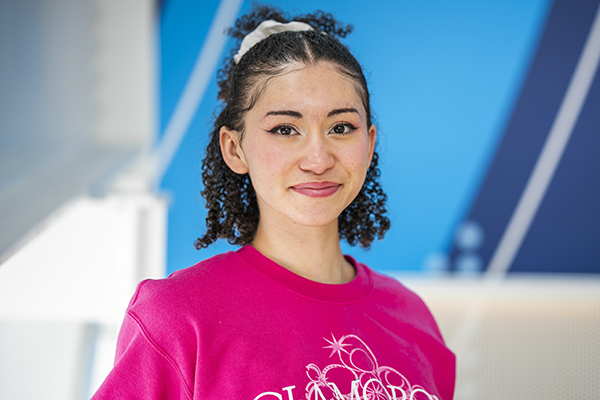
Faith Kothe, a Parkway West High School student, is already doing that through STLCC’s dual enrollment program.
Why Faith Chose Dual Enrollment
Faith joined the dual enrollment program with encouragement from her parents. At first, she went along with the idea. Now, she’s proud of what she’s already accomplished.
“I’m very proud of being able to have that one step ahead for when I do go to college,” Faith says. “Especially since I plan to go to graduate school and get my doctorate. It just makes the process faster and easier.”
For Faith, earning college credit in high school is helping her move toward long-term goals sooner. It has also helped her feel more prepared for college-level expectations.
What Is Dual Enrollment?
Dual enrollment lets eligible high school students take college classes through STLCC while they are still in high school. The credits may count toward high school graduation and a college degree, depending on the student’s school district, course choices and program plan.
What College Classes Are Like in High School
Faith says many of her STLCC classes feel more focused than her high school classes.
“Overall, it feels easier than high school classes,” she explains. “They’re simpler and fast-paced since they’re only 16-week classes, instead of full-year courses.”
College classes can move quickly, but they usually focus on one subject for a shorter period of time. That can work well for students who are organized, motivated and ready to manage deadlines more independently.
What Students Should Know Before Starting
Dual enrollment can be a great opportunity, but it also comes with more responsibility. College classes may require more independent reading, studying, communication and planning than students are used to in high school.
Before starting, students should be ready to:
- Keep track of college deadlines and assignments.
- Check email and course updates regularly.
- Ask questions when something is unclear.
- Communicate with instructors, counselors and family members.
- Make time for studying outside of class.
- Balance college classes with high school, work, sports or activities.
Faith says that responsibility is one of the biggest parts of the experience.
“You HAVE to be responsible,” she says. “College-level work is very different from high school.”
Building Confidence on Campus
One of Faith’s favorite parts of the program is being on campus.
“Feeling smart enough to be here,” she says. “I’m proud of getting the grades that I do in college-level courses.”
She also enjoys the independence of walking around campus, setting her own routine and managing her time. For high school students who are curious about college, dual enrollment can make the transition feel less intimidating.
Balancing High School, College and Life

Between high school classes, college courses, sports and a job, Faith stays busy. Planning ahead makes a big difference.
“I register for classes in a way that allows time to study and work on homework,” she explains.
Over time, dual enrollment helped Faith build stronger time-management skills. She also learned how to communicate her workload to the people around her.
“I’ve learned how to communicate my workload to my parents, teachers, coaches, and managers, so they understand the weight of everything,” she says.
That kind of communication can help students manage school, work, activities and family responsibilities.
How Dual Enrollment Can Help With Future Plans
Dual enrollment also helped Faith think more about her future. She originally planned to go into funeral work. Now, she’s pursuing psychology, with plans for graduate school and a doctorate.
“Having college credits completed earlier is going to speed up the education process,” she says. “I’m very excited for my time in college because of it.”
Students do not need to have every career detail figured out before taking college classes. For some students, dual enrollment is a way to explore interests, try college-level work and learn what kind of path feels right.
Dual Enrollment vs. Dual Credit
STLCC offers two college credit options for high school students: dual enrollment and dual credit. Both can help students earn college credit early, but they work a little differently.
| Option | How It Works | May Be a Good Fit If... |
|---|---|---|
| Dual Enrollment | Students take STLCC college classes while still enrolled in high school. | You are ready for college-level coursework and want experience with college classes, instructors and expectations. |
| Dual Credit | Students earn college credit for approved classes taught at their high school. | You want to earn college credit while staying in your regular high school schedule. |
Dual Enrollment
The dual enrollment program allows eligible high school students to take STLCC classes while still in high school.
Students may take classes at STLCC and learn from college instructors alongside other college students. The credits earned can count toward high school graduation and a college degree, depending on the student’s school district and program plan.
Dual enrollment may be a good fit for students who are motivated, organized and ready for college-level coursework.
Dual Credit
Dual credit allows high school students to earn college credit for approved classes taught at their high school.
These courses are usually taught by high school teachers who meet college-level teaching requirements. Because classes are offered at the high school, dual credit can fit more easily into a student’s regular schedule.
Questions to Ask Before You Start
If you’re interested in earning college credit in high school, start by talking with your school counselor. They can help you understand eligibility, course options and how credits may fit your high school graduation plan.
Helpful questions to ask include:
- Am I eligible for dual enrollment or dual credit?
- Which STLCC courses fit my high school schedule?
- Will these credits count toward high school graduation?
- How could these credits apply to a college degree or transfer plan?
- What costs should I plan for?
- What support is available if I need help in a class?
Start College Before High School Graduation
Through dual enrollment or dual credit, STLCC helps high school students earn college credit early, explore future goals and get a stronger start on college.
Faith’s experience shows that starting early can build confidence, independence and a clearer sense of what college may look like.
Earn College Credit in High School
Talk with your school counselor and review STLCC’s college credit options for high school students.