Digital Consent 101: Staying Safe and Respectful Online
March 25, 2026
Posted by STLCC in Student Resources
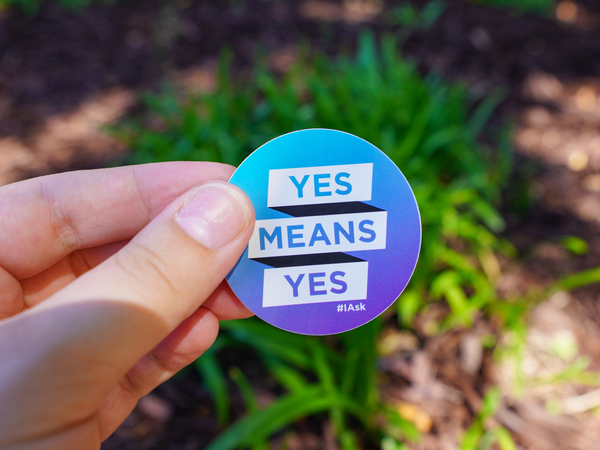
April is Sexual Assault Awareness Month (SAAM) — a time to build awareness around consent, support survivors and create safer communities for everyone. At St. Louis Community College, this year’s focus highlights something many students experience every day: respect and consent in digital spaces. From social media and texting to artificial intelligence, our online interactions are real — and so are the responsibilities that come with them.
Why Digital Consent Matters
Today, many relationships begin and grow online. That means consent doesn’t stop at in-person interactions — it extends to everything we do digitally.
Consent is a clear, voluntary agreement between people before any sexual activity. It must be freely given and can be taken back at any time.
In digital spaces, consent means respecting boundaries with:
- Photos
- Messages
- Videos
- Personal data and identity
If something involves another person’s body, privacy, or sexuality, their consent matters — every time.
Examples of Digital Consent Violations
- Sending explicit photos someone did not ask for
- Sharing private images without permission
- Pressuring someone to send sexual content
- Creating fake or altered intimate images using technology
How Technology Is Changing Relationships
Technology can help people connect — but it also introduces new risks. Being aware of these tools is an important part of staying safe.
AI-Generated Images and Deepfakes
Artificial intelligence can now create realistic images or videos of a person’s face or body. When used without consent — especially to create explicit content — this is a serious violation.
“Undressing” or Body-Editing Apps
Some apps claim to digitally remove clothing from photos. Using these on someone without permission is a form of sexual exploitation.
Image Sharing and Screenshots
Even when something is shared privately, it can be saved, forwarded or reposted. Trust should never be taken as permission to share.
AI Companions and Real-Life Relationships
AI companion apps are designed to be agreeable and affirming. Real relationships aren’t like that — they include boundaries, disagreement and growth. Over-reliance on AI interactions can sometimes make real-life communication feel more difficult.

What Respect Looks Like Online
Creating a respectful digital culture starts with everyday choices. Here are a few simple ways to practice digital consent:
- Ask first.
Never send sexual messages or images unless the other person clearly wants them. - Respect a “no.”
If someone expresses discomfort, stop immediately. - Keep private content private.
Just because something was shared with you doesn’t mean you can share it with others. - Think before you post.
If you wouldn’t want it shared about you, don’t share it about someone else. - Support your friends.
Speak up if you see harmful behavior, or help someone find support.
Small actions can make a big difference in building a safer campus.
Denim Day: Why We Wear Jeans
On April 29, STLCC students and employees are encouraged to participate in Denim Day, a global awareness campaign.
Denim Day began after a court in Italy overturned a sexual assault conviction, claiming the survivor’s tight jeans implied consent. In response, women in the Italian Parliament wore jeans to protest the ruling.
Today, wearing denim is a way to:
- Challenge harmful myths about sexual assault
- Support survivors
- Promote conversations about consent and respect
What someone wears never implies consent.

How STLCC Students Can Get Involved
There are many ways to participate in Sexual Assault Awareness Month at STLCC:
- Attend campus events throughout April
- Wear denim on April 29 for Denim Day
- Complete the College’s free Consent and Respect activity
- Review STLCC’s Title IX policies and resources
- Learn more about how technology impacts relationships
- Support friends who may need help
- Speak up against harmful behavior
Support Is Available
If you or someone you know has experienced sexual harassment, sexual assault or online exploitation, you are not alone.
STLCC provides confidential support and resources for students, including both campus and community services.
Everyone deserves to feel safe and respected — online and in person.
References
Leemis, R. W., Zhang Kudon, H., Zhu, S., Smith, S. G., Chen, J., Friar, N. W., & Basile, K. C. (2025). The National Intimate Partner and Sexual Violence Survey (NISVS): 2023–2024 Sexual Violence Data Brief. Centers for Disease Control and Prevention.
Partners in Prevention (2025). Missouri Assessment of College Health Behaviors. University of Missouri.