Finals Study Tips and Exam Prep Guide
December 09, 2025
Posted by STLCC in Student Resources

Finals week can feel like a lot, especially when exams, papers, projects and regular life all hit at the same time. A simple plan can help you feel more prepared and less stuck.
Use this guide to organize what you need to study, choose study strategies that actually help and take care of yourself while you get ready for finals.
Step 1: Make a Finals Study Plan
Start by getting everything in one place. Pull together your notes, study guides, graded quizzes, class handouts, assignments and syllabus. Then look for the topics that show up the most or count for the biggest part of your grade.
Once you know what matters most, break your study time into smaller tasks. Instead of writing “study math,” try something more specific:
- Review formulas from chapters 8 and 9.
- Complete 10 practice problems.
- Rewrite notes from the last two lectures.
- Make flashcards for key terms.
Smaller goals are easier to start and easier to finish. They also help you see progress, which can make finals week feel more manageable.
Step 2: Study in Short, Focused Sessions
Cramming the night before an exam might feel productive, but it usually makes it harder to remember information. Your brain does better when you study in shorter sessions over several days.
Try studying for 45 to 60 minutes, then take a 5 to 10 minute break. During your break, stand up, stretch, refill your water or step away from your screen. Then come back for another focused session.
You can also switch between study methods to keep your brain active. For example, use flashcards first, then complete practice questions, then write a short summary of what you reviewed.
Step 3: Use Study Methods That Help You Remember
Reading your notes over and over can help a little, but active review usually works better. Active review means you are testing what you know instead of only looking at the material.
Try these study methods before your next exam:
- Teach it out loud: Explain a concept in your own words as if you were helping a classmate.
- Quiz yourself: Use flashcards, practice questions or old quizzes without looking at the answers first.
- Practice under time limits: Set a timer and work through problems or essay outlines like you would during an exam.
- Write quick summaries: After studying, write a few sentences about the main ideas you need to remember.
If you get something wrong, do not just move on. Review the mistake and figure out what happened. That is one of the best ways to improve before test day.
Step 4: Match Your Study Plan to the Class
Different classes need different study strategies. A math final is not the same as a history final, so your study time should match what the exam asks you to do.
Math and Science Classes
- Review formulas, steps and important diagrams.
- Work through practice problems without checking notes first.
- Study mistakes so you understand where you got stuck.
History, Humanities and Social Science Classes
- Review major ideas, events, people and themes.
- Practice explaining cause and effect.
- Outline possible essay answers before the exam.
English and Composition Classes
- Review feedback from past papers.
- Practice building strong thesis statements and topic sentences.
- Outline essays under timed conditions.
Step 5: Plan Around Multiple Finals

If you have several finals close together, write down each exam date and work backward. Study for the exam that comes first, but do not ignore the harder class just because it happens later.
A simple finals schedule might include:
- One study block for your earliest exam.
- One study block for your hardest class.
- One shorter review block for material you already know well.
If two exams are on the same day, split your study time into smaller chunks. Review the first exam earlier in the day, then switch to the second subject after a break.
If you have several finals close together, write down each exam date and work backward. Study for the exam that comes first, but do not ignore the harder class just because it happens later.
A simple finals schedule might include:
- One study block for your earliest exam.
- One study block for your hardest class.
- One shorter review block for material you already know well.
If two exams are on the same day, split your study time into smaller chunks. Review the first exam earlier in the day, then switch to the second subject after a break.
Step 6: Take Care of Your Focus
Finals can be stressful, but skipping sleep, meals and breaks usually makes studying harder. You do not have to do everything perfectly. You just need a few habits that help your brain keep up.
- Choose a quiet study spot when you can.
- Put your phone away during focused study time.
- Eat something before a long study session or exam.
- Drink water throughout the day.
- Move your body, even if it is just a short walk.
- Get enough sleep the night before your exam.
STLCC’s libraries can be a helpful place to study if you need fewer distractions.
Step 7: Ask for Help Before You Feel Lost
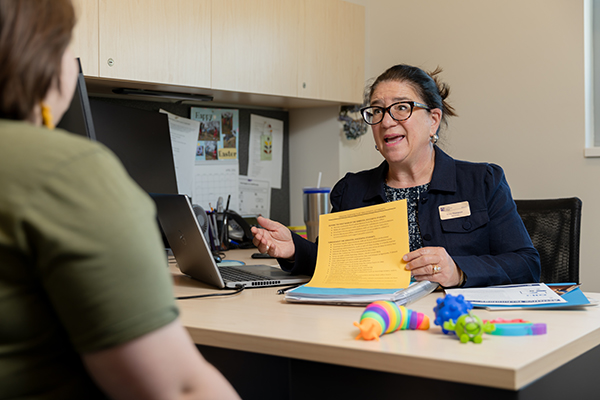
You do not have to figure out finals week alone. If a topic is confusing, ask for help early. A tutor, instructor or advisor can help you understand what to focus on and how to prepare.
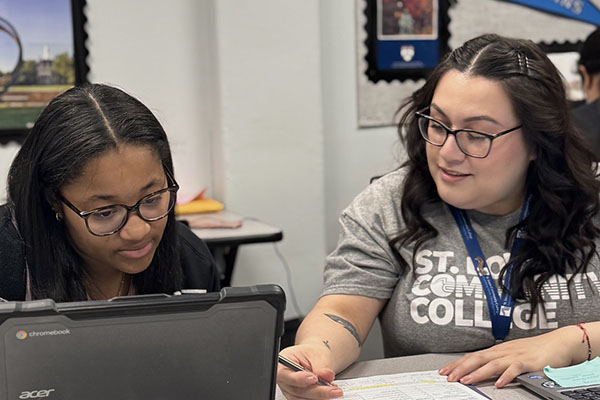
STLCC academic success and tutoring offers support for students who want help reviewing course material, working through practice problems or building stronger study habits.
You can schedule tutoring through Navigate. Bring your notes, study guide, assignment directions or practice problems so the session is as useful as possible.
Finals Week Checklist
Before finals begin, use this checklist to make sure you are ready:
- Gather notes, study guides, quizzes and assignments.
- Write down each final exam date and time.
- List the topics that matter most for each class.
- Schedule short study sessions across several days.
- Use active review, like flashcards, practice questions and summaries.
- Review mistakes before the exam.
- Ask for tutoring or instructor help when you need it.
- Sleep, eat and take breaks.
Get Tutoring Support
Academic Success & Tutoring can help you prepare for finals, review confusing material and feel more confident before your exams.